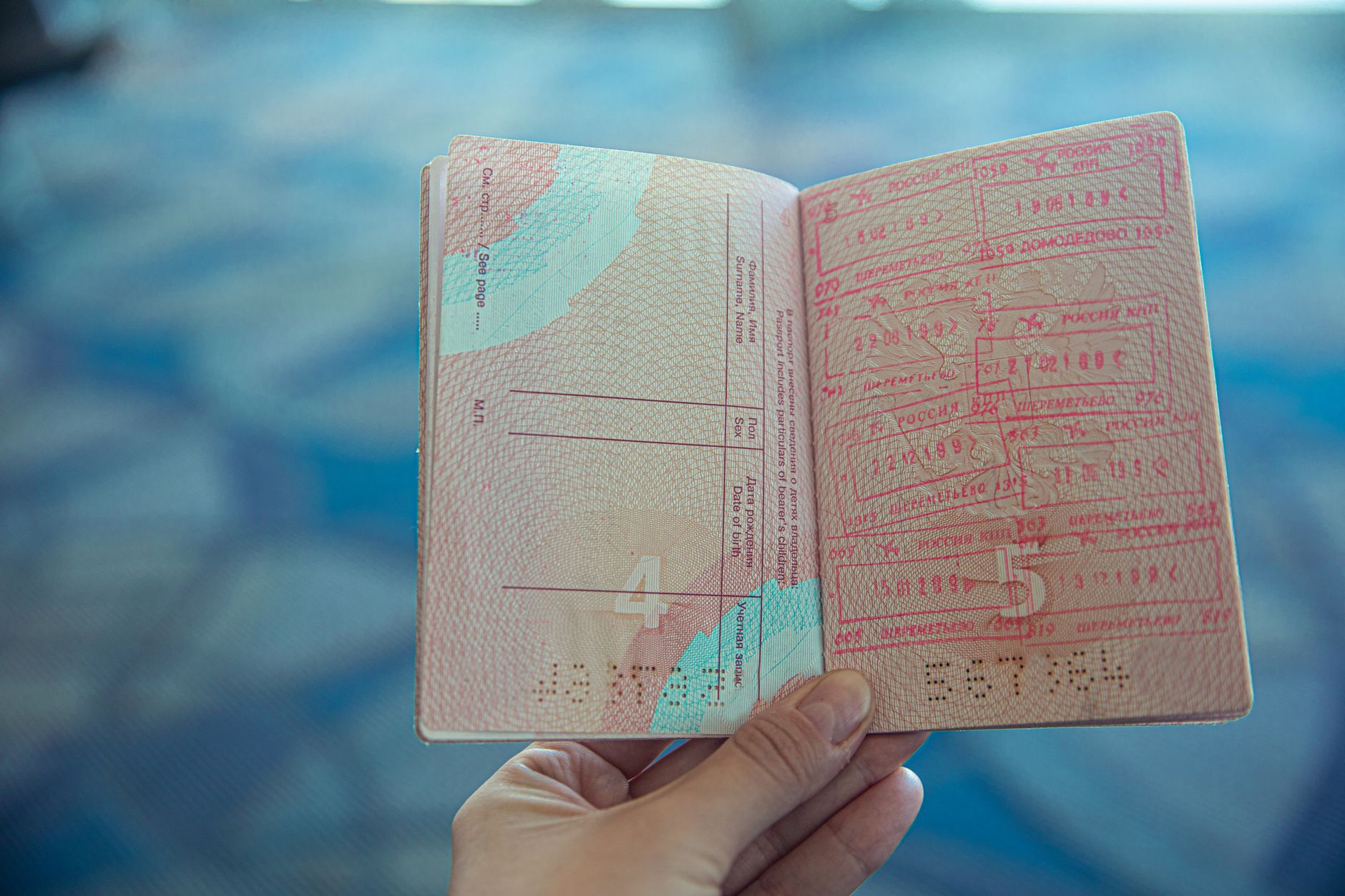
I’ve written a general introduction to apostilles already. This one’s about the fork in the road that trips people up before they even get to the notary: apostille or authentication — they’re not interchangeable, and using the wrong one means your document gets rejected by the receiving country and you have to start over.
The dividing line: the Hague Apostille Convention
Whether you need an apostille or a standard authentication depends entirely on whether the country you’re sending the document to is a member of the Hague Apostille Convention. If it is, an apostille — a single-step certification recognized by all other member countries — is sufficient. If it isn’t, you need a more involved authentication process instead.
Apostille (Hague Convention countries)
- A single certificate issued by the Kansas Secretary of State, attached to your notarized document
- Recognized directly by the receiving country — no additional embassy step required
- Faster and simpler, generally speaking
Authentication (non-Hague countries)
- Starts with the same state-level certification, but then typically requires an additional layer of authentication through the U.S. Department of State
- Often finishes with legalization at the destination country’s embassy or consulate in the U.S.
- Takes noticeably longer and involves more steps, more fees, and more places for something to go wrong along the way
Check the destination country’s Hague Convention status before you start the process, not after. It determines the entire path your document takes from here.
Where the notary fits in
Either path starts the same way: the underlying document needs a proper notarization first. That’s where I come in — the notarized signature is the foundation the state’s apostille or authentication certificate then attaches to. Getting that first step done correctly matters regardless of which path your document ultimately takes.
How to check a country’s status
The U.S. Department of State maintains a current list of Hague Convention member countries. It’s worth checking directly rather than assuming, since membership has changed over time and isn’t always intuitive by region.
Sending a document abroad?
We’ll make sure the notarization is done correctly for whichever path your document needs next.